


-
Coaster
Sale price $199.00 Regular price $499.00 60% OffUnit priceUnavailable -
Vavenza
Dylan White Metal 4 Doors Shoe Cabinet
Sale price $179.00 Regular price $399.00 55% OffUnit priceUnavailable -
Furniture of America
Della Oak Shoe Cabinet w/ 5 Shelves
Sale price $289.00 Regular price $489.00 41% OffUnit priceUnavailable -
Coaster
Vivian Black 3 Drawer Shoe Cabinet
Sale price $109.00 Regular price $279.00 61% OffUnit priceUnavailable -
Coaster
Sale price $199.00 Regular price $499.00 60% OffUnit priceUnavailable -
Vavenza
Dylan Gray Metal 4 Doors Shoe Cabinet
Sale price $179.00 Regular price $399.00 55% OffUnit priceUnavailable -
Coaster
Karol Golden Oak Metal Mesh Door Shoe Cabinet
Sale price $179.00 Regular price $449.00 60% OffUnit priceUnavailable -
Coaster
Tianna Dark Taupe Shoe Cabinet
Sale price $129.00 Regular price $329.00 61% OffUnit priceUnavailable -
Furniture of America
Skipper Natural/Gray Shoe Storage Bench
Sale price $99.00 Regular price $219.00 55% OffUnit priceUnavailable -
Coaster
Arrington Smoked Oak Storage Bench
Sale price $139.00 Regular price $349.00 60% OffUnit priceUnavailable -
Coaster
Arrington White Oak Storage Bench
Sale price $139.00 Regular price $349.00 60% OffUnit priceUnavailable -
Coaster
Sale price $139.00 Regular price $349.00 60% OffUnit priceUnavailable -
Coaster
Brixton Black 2-door Padded Entryway Shoe Storage Bench
Sale price $209.00 Regular price $529.00 60% OffUnit priceUnavailable -
Coaster
Brixton Smoked Oak 2-door Padded Entryway Shoe Storage Bench
Sale price $209.00 Regular price $529.00 60% OffUnit priceUnavailable -
Coaster
Brixton White Oak 2-door Padded Entryway Shoe Storage Bench
Sale price $209.00 Regular price $529.00 60% OffUnit priceUnavailable -
Coaster
Teller Natural Oak 2-door Shoe Storage Cabinet
Sale price $269.00 Regular price $679.00 60% OffUnit priceUnavailable -
Coaster
Brixton Black 2-door Entryway Shoe Storage Cabinets
Sale price $289.00 Regular price $729.00 60% OffUnit priceUnavailable -
Coaster
Brixton Smoked Oak 2-door Entryway Shoe Storage Cabinets
Sale price $289.00 Regular price $729.00 60% OffUnit priceUnavailable -
Coaster
Brixton White Oak 2-door Entryway Shoe Storage Cabinets
Sale price $289.00 Regular price $729.00 60% OffUnit priceUnavailable -
Coaster
Teller Natural Oak 80-inch 4-door Tall Shoe Storage Cabinet
Sale price $399.00 Regular price $999.00 60% OffUnit priceUnavailable


Open Shoe Shelves vs. Enclosed Shoe Cabinets
The first decision in shoe storage is whether the shoes should be visible or hidden. Open shoe shelves — a tiered rack or open shelf unit — make it fast to find and grab a specific pair, and they allow footwear to air out between wears. An enclosed shoe storage cabinet with doors keeps the entryway looking clean regardless of what's inside, which matters more in foyers visible from the main living space. Many buyers choose a combination design: open upper shelves for frequently worn shoes and enclosed lower cabinet doors for off-season or less-used footwear.
Shoe Cabinet Types
Enclosed Shoe Cabinets with Doors
A shoe cabinet with doors provides the cleanest look in an entryway. Doors in solid wood, slatted panels, or glass keep the interior out of sight while still allowing airflow through the cabinet. Interior shelves are typically adjustable and spaced for standard shoe heights — most cabinets accommodate shoes up to a men's size 12–13 lying flat or in an angled tray configuration. Look for cabinets with ventilation gaps or slatted doors if you're storing shoes that are worn frequently — enclosed storage without airflow can cause odor buildup over time.
Tall Shoe Cabinets
A tall shoe cabinet is the most storage-efficient footwear solution for its floor footprint. Floor-to-ceiling or near-ceiling designs (typically 60"–72" tall) with multiple shelves can hold 15–30+ pairs depending on shelf configuration and shoe size. In a household with multiple adults, a tall shoe storage cabinet is often the only practical option for keeping footwear off the floor entirely. Slim-profile tall cabinets (12"–14" deep) work well in narrow entryways where a wider unit would block the path.
Open Shoe Racks and Shoe Shelves
An open shoe rack or tiered shoe shelf is the most accessible format — shoes are visible at a glance and easy to grab without opening a door. These work well in dedicated entryway alcoves, mudrooms, or coat closets. Most tiered shoe racks accommodate 12–24 pairs across 3–4 shelves; slanted shelf designs angle shoes for easier pairing and a neater appearance. In households that rotate footwear seasonally, an open shoe shelf for current-season shoes paired with a closed cabinet for off-season storage is an effective combination.
Shoe Storage Benches
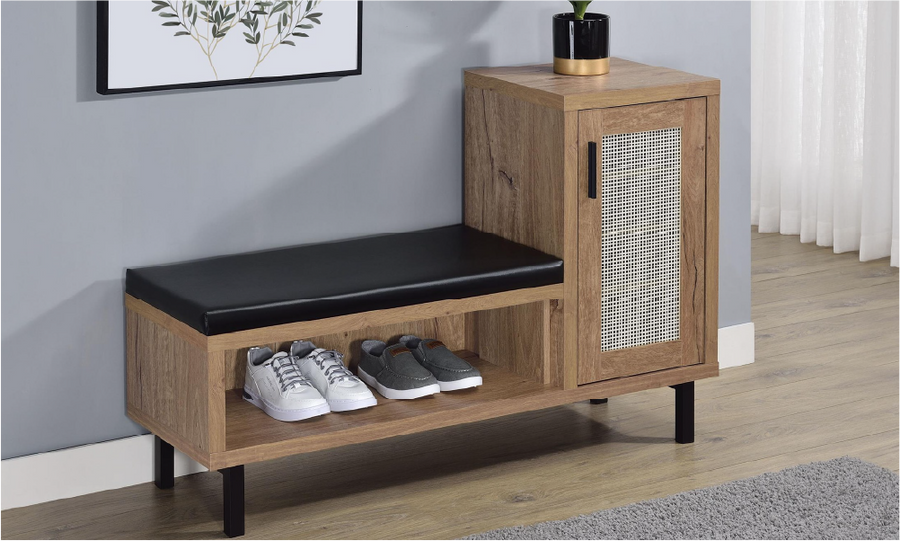
A shoe storage bench combines a seating surface with shoe organization below — making it a functional hybrid between a pure shoe organizer and a hall tree. These work well in entryways where you sit to put shoes on and off: the bench seat is typically 17"–19" tall, and the storage below can be open cubbies, a lift-top compartment, or a shallow shelf. A shoe bench in a coordinating finish alongside a coat rack recreates most of the function of a hall tree in two separate pieces.
How to Choose the Right Shoe Storage Cabinet
How Many Pairs Do You Need to Store?
Estimate the number of pairs that need to live in the entryway — not the whole household's collection, but the shoes in regular rotation. A family of four typically needs 12–20 pairs of accessible storage near the door. A single row of shoe shelves at standard spacing holds roughly 6–8 pairs per shelf; use this as a baseline to determine how many shelves or cabinet sections you need.
Shoe Size and Shelf Spacing
Standard shoe cabinet shelves are spaced for women's and children's footwear — typically 5"–6" between shelves. Men's shoes, particularly boots or larger sizes, often need 7"–8" of shelf clearance. Adjustable shelves solve this directly; fixed shelves in a standard configuration may not accommodate larger footwear well. Boots require either a dedicated tall section or vertical storage with the boot standing upright — check the interior height of any cabinet intended for boots.
Cabinet Depth and Entryway Clearance
A standard shoe cabinet is 12"–14" deep — enough to hold most shoes lying flat. In a narrow entryway or hallway, this depth matters: a 14" deep cabinet leaves a clear path of at least 28"–30" in a 42" wide hallway. Measure the available floor space carefully before purchasing. Wall-mounted shoe shelves are a useful alternative when floor space won't accommodate a freestanding cabinet.
Materials and Finish
Wood-finish shoe cabinets — in espresso, oak, white, or gray — integrate well with entryway furniture and can coordinate with a hall tree, coat rack, or console table. Solid-wood cabinets are more durable and better handle the daily loading and unloading of footwear than thin laminate-over-particleboard construction. For high-traffic households, look for models with a reinforced shelf edge that won't chip or delaminate at the front where shoes rest and slide.
Build Out Your Entryway Storage
For a complete entryway solution that adds coat hooks and bench seating alongside shoe storage, explore our hall trees — multi-function units that combine hooks, a seat, and shoe storage in one piece.
Need a coat and bag hanging to complement your shoe cabinet? Browse our coat racks — freestanding coat rack stands and wall-mounted hook panels in coordinating wood and metal finishes.
See everything available across the entryway furniture collection to plan coordinated storage for your foyer or mudroom.
Shop Furniture by Room
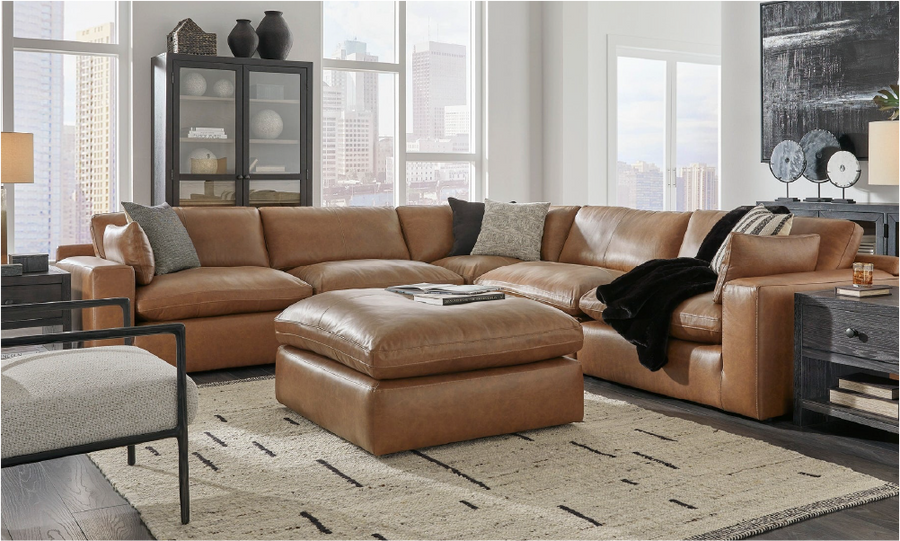
Living Room
Sectionals, sofas, coffee tables, and more for everyday lounging.
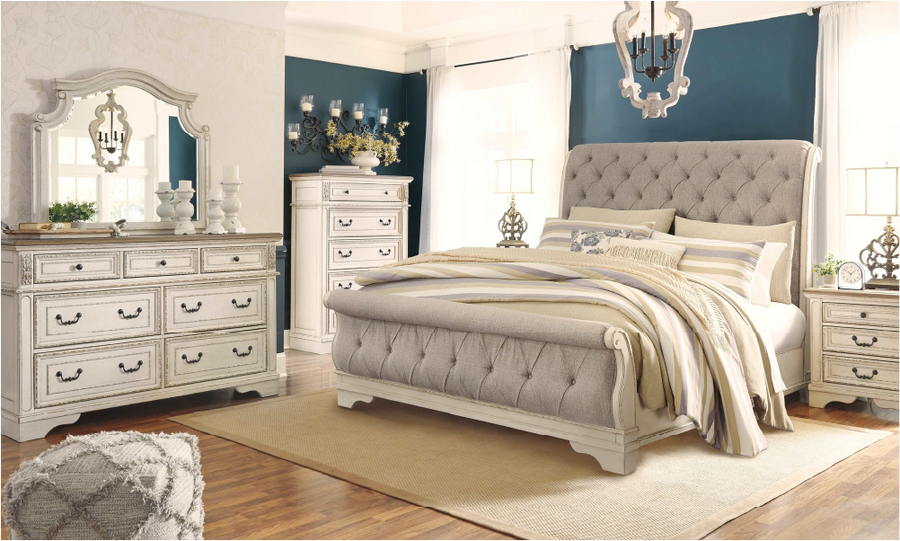
Bedroom
Beds, bedroom sets, dressers, and nightstands for every style.
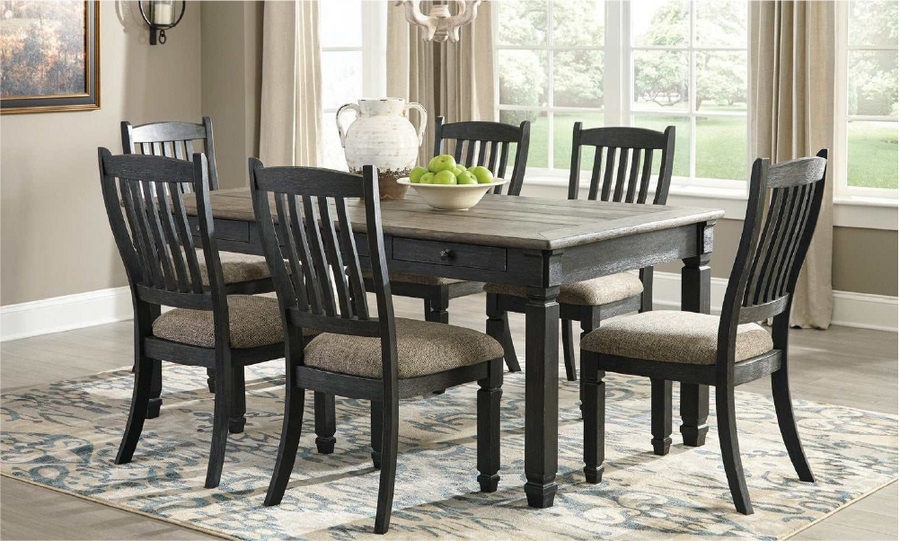
Kitchen & Dining
Dining tables, chairs, and storage to gather around.
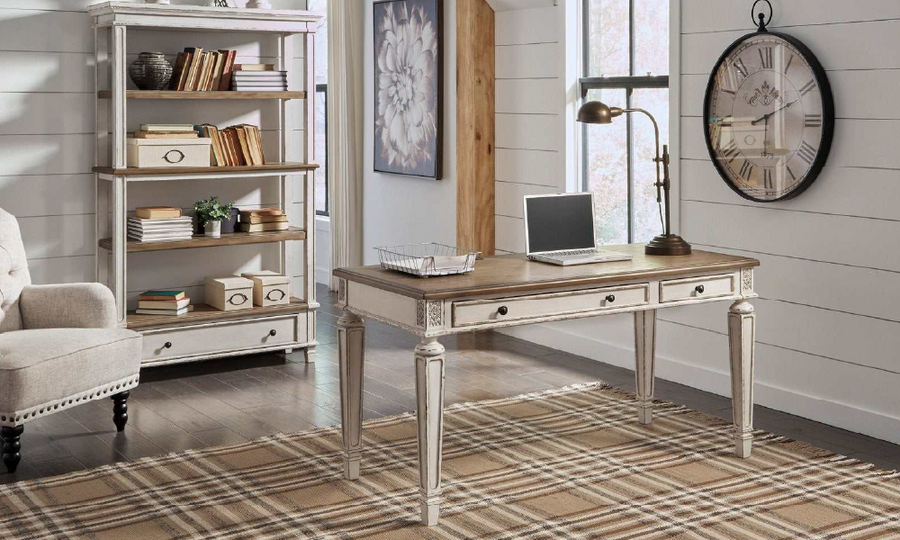
Home Office
Desks, office chairs, and storage that keep you focused.
Entryway & Storage
Consoles, benches, and storage that make coming home easier.

Outdoor & Patio
Outdoor seating, dining, and decor for open-air living.


