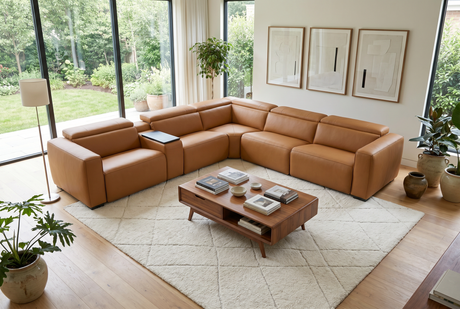
The world of interior design continues to evolve, yet some styles remain timeless. Turkish interior design, rooted in centuries of tradition, craftsmanship, and artistic heritage, is experiencing a remarkable resurgence—especially in the United States. With its balance of luxury, warmth, handcrafted details, and rich cultural motifs, Turkish design offers a unique aesthetic that blends the old with the new. In this complete guide, we explore everything that defines Turkish interior design, why it is becoming a global trend, and how you can incorporate its elements into your modern home.
What Is Turkish Interior Design?
Turkish interior design is an artistic and architectural style shaped by Ottoman, Anatolian, Mediterranean, and Middle Eastern influences. It combines intricate craftsmanship, expressive patterns, earth-toned palettes, natural materials, and a strong emphasis on comfort. A typical Turkish interior balances elegance with softness—creating warm, livable spaces that feel both luxurious and inviting.
The style’s distinctive features are rooted in history. From the ornate palaces of the Ottoman Empire to the cozy village homes of Anatolia, Turkish interiors have always celebrated beauty through detail, texture, and harmony.
Key Elements of Turkish Interior Design Style
1. Warm and Earthy Color Palettes
Turkish interiors favor colors inspired by nature and traditional craftsmanship. Expect deep blues reminiscent of the Aegean Sea, warm terracottas, rich burgundies, golds, olive greens, and sandy neutrals. These colors provide a sense of grounding and warmth, making any room feel welcoming.
2. Handcrafted Furniture and Artistry
Turkish interior design heavily values artisanal craftsmanship. Furniture is often made from solid wood, featuring carved motifs, geometric shapes, or curved silhouettes. Many pieces carry handmade details—reflecting centuries-old woodworking traditions passed through generations. From ornate consoles to carved coffee tables, Turkish furniture is built to be both functional and decorative.
3. Turkish Rugs & Kilims
No Turkish interior is complete without the iconic rug. Turkish rugs and kilims are internationally renowned for their intricate patterns, durability, and symbolic motifs. Whether handwoven wool or flat-weave kilims, these textiles bring color, story, and warmth into every space.
4. Mosaic Lighting & Decorative Lamps
Turkish mosaic lamps are globally recognized for their beauty. With hand-cut colored glass pieces arranged into stunning patterns, these lamps create ambient, warm lighting that transforms any space into a cozy retreat.
5. Layered Textures & Fabrics
Turkish interiors thrive on texture. Velvet cushions, embroidered linens, handwoven throws, and layered textiles create a visually rich and tactile environment. The layering of fabrics reflects both luxury and comfort.
6. Arched Doorways & Curved Architecture
Stunning archways, curved niches, wooden ceiling beams, and ornate plasterwork are common architectural features in Turkish design. These shapes soften the rigid lines found in modern architecture and bring an elevated, classic feel.
7. Decorative Tiles & Ceramics
One of Turkey’s most famous artistic traditions is tile-making. Iznik tiles, with their floral and geometric motifs in blues, reds, and greens, add a striking visual element to kitchens, bathrooms, and accent walls.
Why Turkish Interior Design Is Rising in Popularity
1. A Balance of Modern and Traditional
Turkish design blends modern comfort with timeless elegance—an ideal combination for today’s homeowners who want spaces that feel both stylish and personal.
2. Unique Craftsmanship
In an era of mass-produced furniture, Turkish pieces stand out. Buyers appreciate handcrafted quality, solid wood construction, and attention to artistic detail.
3. Warm and Inviting Aesthetic
U.S. homeowners increasingly prefer interiors that create a sense of warmth and sanctuary. Turkish design offers exactly that—cozy textiles, earthy tones, and rich detail.
4. Versatility Across Home Styles
Turkish elements can enhance a wide range of home aesthetics, from Bohemian and Mediterranean to Modern Farmhouse and Contemporary.
5. Growing Interest in Global & Cultural Design
With online access to global décor inspiration, American homeowners are leaning toward styles that offer cultural depth. Turkish design’s meaningful motifs and historical roots make it especially appealing.
How to Incorporate Turkish Interior Design Into Your Home
Start With a Turkish Rug
A high-quality Turkish rug or kilim instantly elevates a room. Choose vibrant patterns for a bold effect or neutral tones for a subtle touch.
Add Mosaic or Brass Lighting
Hang a Turkish mosaic chandelier or incorporate brass lanterns to add warmth and ambiance.
Use Natural Wood Furniture
Choose solid wood furniture with artisanal details to reflect the Turkish love for craftsmanship.
Decorate With Ceramics and Tiles
Incorporate decorative plates, vases, or Iznik-style tile accents for authentic charm.
Layer Textiles
Mix cushions, throws, handwoven fabrics, and embroidered details to create rich texture.
Create Cozy Seating Areas
Use low seating arrangements, poufs, and layered cushions to achieve a relaxed Turkish-inspired aesthetic.
Modern Turkish Interior Design: A Contemporary Twist
While traditional Turkish interiors are ornate and richly decorated, modern interpretations simplify the aesthetic while maintaining cultural essence. Neutral palettes, contemporary furniture silhouettes, and minimal accents are blended with traditional rugs, arches, or handcrafted items to create a balanced, modern Turkish look.
Turkish Interior Design for Different Rooms
Living Room
Combine a large Turkish rug, textured cushions, carved wood furniture, and warm lighting.
Dining Room
Use a solid wood table, mosaic pendants, and decorative ceramics.
Bedroom
Layer fabrics, add soft lighting, and incorporate warm textures for a cozy retreat.
Outdoor Spaces
Use patterned cushions, lanterns, and woven rugs to bring Turkish comfort outdoors.
Where to Buy Turkish Furniture & Décor in the U.S.
Because your company is based in the United States, American customers can enjoy fast shipping, easy returns, and access to premium Turkish-crafted pieces without international ordering complications. Whether rugs, handcrafted wooden furniture, mosaic lighting, or ceramic décor—your store becomes a convenient and reliable gateway to authentic Turkish interior design.
Final Thoughts
Turkish interior design is more than a style—it is a celebration of heritage, craftsmanship, beauty, and warmth. By blending traditional elements with modern comforts, this design approach creates spaces that feel truly special. Whether you're redecorating a single room or transforming your entire home, Turkish design offers endless possibilities for creating soulful, inviting, and elegant interiors.